How to Buy Vintage Copper Cookware: A Field Guide to Old Pots Worth Restoring
The Short Version
Vintage copper is one of the few genuine bargains left in cookware. A heavy French saucepan from the mid-1900s — often 2.5mm to 3mm of copper, hand-finished, built for restaurant abuse — routinely sells secondhand for less than a thin new pan of half the quality. The catch is that the market is full of thin decorative pieces, worn-out linings, and optimistic pricing, and telling the difference takes about five minutes of informed inspection.
Here's the whole method in one paragraph: buy by weight and lining, not by shine. A pot worth restoring is heavy for its size (roughly 2mm of copper or more), has a lining that's either serviceable or cheap to redo, shows solid construction — thick cast handles, firm rivets — and isn't priced so high that adding re-tinning costs erases the bargain. Everything below is that sentence, expanded into a field guide you can use at an estate sale.
One safety rule before anything else: old copper must be lined before it cooks. Unlined copper is reactive, and cooking acidic foods in it — tomatoes, wine, citrus, vinegar — is not safe. Worn tin can be professionally redone, so a bad lining isn't a dealbreaker. An unlined pan passed off as ready-to-use is.
Why Vintage Copper Beats Most New Copper
The economics of copper have shifted over the decades. Metal is expensive now, so most affordable new "copper" cookware is thin — often around 1mm or so — or is really a copper-colored coating over aluminum. Older pieces from French and other European workshops were commonly made much thicker because they were built for professional kitchens, where heavy pans were the norm.
That thickness is the entire performance story. Heavy-gauge copper heats evenly, holds a steady temperature, and responds almost instantly when you adjust the burner. Thin copper does none of this well — it's copper-colored, not copper-performing. If you want the full argument for why gauge matters more than brand, our copper thickness guide makes the case in detail.
What this means at a flea market: a battered, tarnished, ugly 3mm saucepan is a better buy than a gleaming 1mm one at the same price. Tarnish polishes off in ten minutes. Thinness is forever.
The Five-Point Inspection
Run these checks in order. Most pieces fail at step one or two, which saves you time.
1. Check the lining first
Look inside. You're hoping to see one of two things:
- Tin lining — silvery-gray, often dull or mottled with age. That's normal. What matters is coverage: if the tin has worn through and you can see pink-orange copper on the cooking surface, the pan needs professional re-tinning before it touches food. That's routine and worth doing on a good pan — our re-tinning guide covers when it's needed, roughly what it costs, and who does the work — but it's a real cost you must fold into the price.
- Stainless lining — bright, hard, and silver. Less common on truly old pieces, but effectively permanent. No re-tinning ever.
If the interior is bare copper throughout, the piece was either made unlined (common for jam pans, mixing bowls, and decorative ware) or stripped at some point. Unlined pieces have legitimate uses — sugar work, beating egg whites, display — but they are not general cookware, no matter what the seller says.
2. Weigh it in your hand
Real cooking copper is startlingly heavy. A 20cm saucepan in 2.5mm copper feels like a small dumbbell; a decorative one feels like a toy. You don't need calipers (though they help — measure at the rim, away from any rolled edge). The hand test catches most pretenders: if a pot feels light for its size, walk away.
As a rough rule, treat 2mm as the floor for serious cookware, with 2.5mm–3mm being the vintage sweet spot. Below about 1.5mm you're looking at decorative or light-duty ware.
3. Inspect handles and rivets
Good old copper has substantial handles — typically cast iron (dark, heavy, often rough-textured), brass, or bronze — attached with two or three thick copper rivets. Grab the handle and try to wiggle it. Solid is good. A little looseness is fixable (rivets can be re-set) but is a negotiating point. Thin sheet-metal handles, spot welds, or tiny rivets suggest a decorative piece.
4. Assess condition honestly
- Tarnish: irrelevant. Brown or even near-black oxidation cleans off easily.
- Verdigris: the green or blue-green crusty buildup. On the outside, it's a cleaning job. On a cooking surface, it must be fully removed before the pan is ever used — see how to deal with verdigris. Heavy verdigris inside also hints the pan sat wet for years, so check for pitting underneath.
- Dents: small dings are character and can often be hammered out. A warped or rounded base that won't sit flat on a burner is a bigger problem, especially for induction-adjacent flat cooktops.
- Pitting: deep pinholes in the copper itself, usually from corrosion. Light exterior pitting is cosmetic; deep pitting on the interior can complicate re-tinning. Significant interior pitting knocks a piece from "restore" to "display."
5. Look for maker's marks — but don't overpay for them
Stamps from established French houses (Mauviel, and older workshop names you'll see on antique pieces such as Gaillard or the Paris shop E. Dehillerin) add collector value and are reasonable evidence of quality manufacture. But an unmarked heavy pan cooks exactly as well as a stamped one. Marks matter for resale value; weight and lining matter for dinner. If you're buying to cook, pay for gauge, not autographs.
What You Should Expect to Pay
Prices swing widely by region, venue, and season, so treat these as honest editorial ranges, not quotes — actual prices vary by seller and market.
| Piece | Typical secondhand range | What moves the price |
|---|---|---|
| Small saucepan (14–16cm), heavy gauge | $30–$80 | Lining condition, maker's stamp |
| Large saucepan (18–20cm), heavy gauge | $60–$150 | Gauge, handle quality |
| Sauté pan or rondeau | $80–$200+ | Size, stamp, lining |
| Stockpot / daubière | $100–$300+ | Sheer copper weight, rarity |
| Thin decorative pans | $10–$40 | Should be priced as decor, not cookware |
| Unlined jam/preserving pan | $50–$150 | Legitimate as a specialty piece |
Two adjustments to make in your head at the point of sale:
- Add re-tinning if the lining is shot. Professional re-tinning is commonly priced by pan size and often lands somewhere in the tens of dollars per piece, plus shipping if there's no local shop — enough to turn a "cheap" pan expensive. A $60 pan needing a new lining is really a $100+ pan.
- Discount for structural problems. Wobbly bases, loose handles, and interior pitting all cost money or usability. Negotiate accordingly or pass.
Where to Hunt
- Estate sales are the best value, especially from households that actually cooked. Kitchen boxes get picked over late; go early.
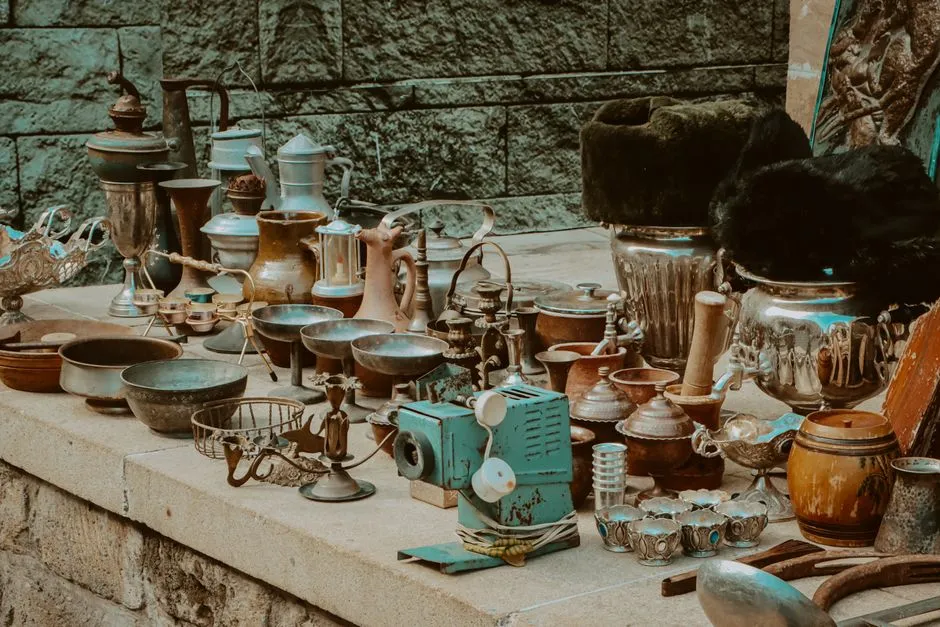
- Flea markets and brocantes reward the hand-weight test — lots of decorative copper masquerading as cookware here.
- Online auctions and marketplaces give the widest selection but the least ability to inspect. Insist on photos of the interior lining and the base, and ask for the weight — a seller who won't weigh a pan is telling you something.
- Antique dealers charge the most but have usually filtered out the junk. Good for specific pieces; bad for bargains.
Red Flags: When to Walk Away
- "It's food-safe as-is" said about a bare-copper interior. It isn't, for general cooking. Either the seller doesn't know copper or hopes you don't.
- Suspiciously light for its size. No stamp, story, or patina compensates for thin metal.
- Lacquered interiors. Some decorative pieces are coated in clear lacquer to stay shiny. Fine on a display piece; disqualifying on anything meant to cook until fully stripped and re-lined.
- Deep interior pitting or active corrosion through the lining.
- Prices that assume collector value without evidence — an unstamped, ordinary pan priced like a Gaillard.
A surprising number of flea-market finds were never cookware at all — planters, umbrella stands, and wall decor get optimistically relabeled. If you're unsure which side of the line a piece sits on, our guide to decorative vs. functional copper walks through the tells piece by piece.
After You Buy: The Restoration Path
A typical rescue runs in this order:
- Clean the exterior — lemon and salt or a commercial copper polish handles tarnish; mechanical scrubbing handles grime.
- Deal with any verdigris completely, inside and out, before the pan goes anywhere near food.
- Evaluate the lining. Intact tin: cook on it, gently. Worn tin: send it out for re-tinning.
- Learn tin's one rule: tin melts at roughly 230°C (about 450°F). Never preheat a tin-lined pan empty and keep it off screaming-high heat. Treat it right and a new lining lasts many years; re-tinning is maintenance, not failure.
Worth knowing: the honest downsides
Vintage copper is not a zero-effort bargain. You're signing up for occasional re-tinning (or hunting the rarer stainless-lined pieces), hand-washing forever, real weight on your wrist, and no induction compatibility without an interface disk. Most pieces also arrive needing an afternoon of cleanup. For people who enjoy the material, that's part of the appeal — but if you want zero maintenance, buy new stainless-lined copper or skip copper entirely.
The Bottom Line
Buy heavy, buy lined (or budget the re-lining), check the handles, ignore the tarnish, and be skeptical of anything shiny, light, and cheap. Do that, and vintage copper is the rare corner of the cookware market where patience and a little knowledge reliably beat retail — a fifty-dollar estate-sale saucepan, restored, can outcook pans costing several times as much, and it will still be doing the job decades from now.